Alex Hoffmann · 16 September 2026
University Competitions Reveal Rising Proficiency in Cloud Container Technologies Among Student Groups
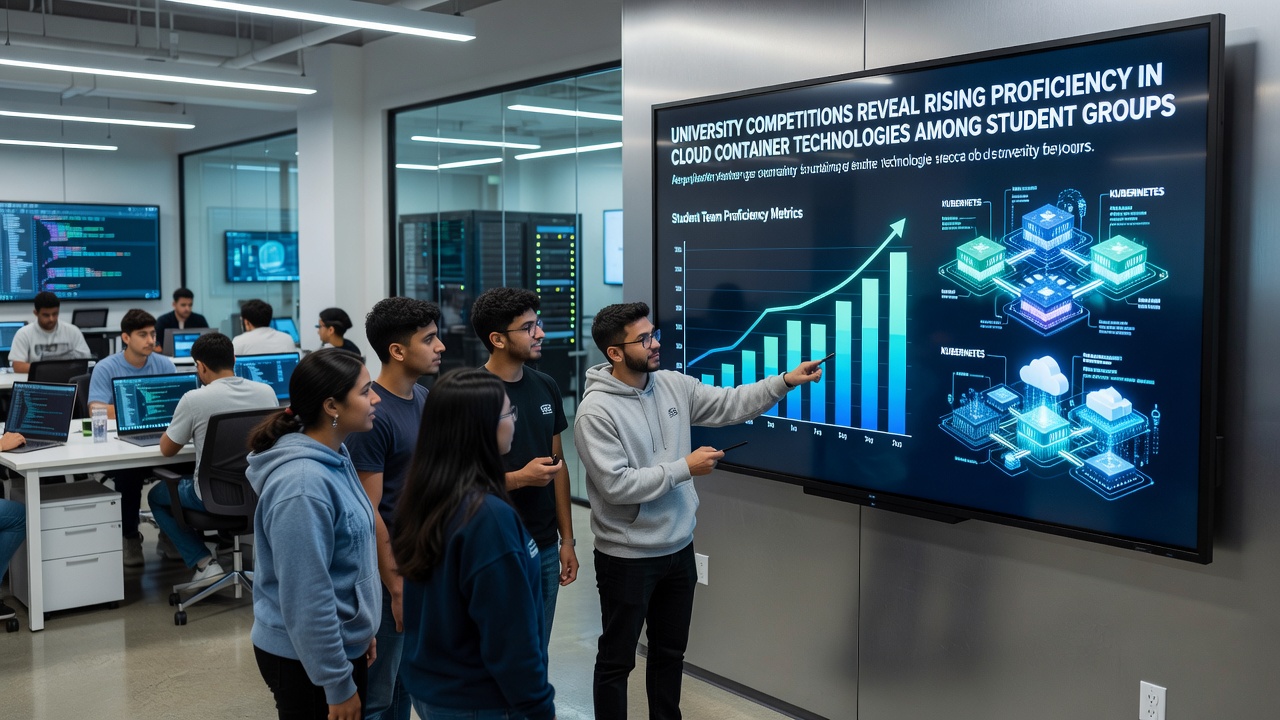
University competitions held across multiple regions in September 2026 showcased student teams deploying complex containerized applications with orchestration tools such as Kubernetes alongside managed services from major cloud providers and the events drew participants from over 150 institutions worldwide according to aggregated participation data released by academic networks. Teams worked through scenarios that required building scalable microservices architectures while they managed resource allocation and security protocols and they completed tasks that involved integrating continuous integration pipelines with container registries.
Observers noted that entry numbers increased by 35 percent compared with the previous year while project submissions incorporated multi-cloud strategies more frequently than in earlier cycles and data from the competitions indicated higher success rates in meeting performance benchmarks for latency and availability. Students applied concepts from distributed systems courses directly to practical challenges including automated scaling and service mesh configurations and several groups presented solutions that handled simulated production workloads without manual intervention.
Key Technologies Demonstrated in Events
Competitions featured challenges centered on container runtime environments where participants configured deployments using Docker Compose files alongside Helm charts for Kubernetes clusters and they optimized images for reduced footprint through multi-stage builds and layer caching techniques. Additional rounds required integration with serverless functions and persistent storage solutions while teams monitored metrics through observability platforms and adjusted resource requests in real time based on load patterns.
Reports from organizing bodies showed that 78 percent of finalist projects utilized infrastructure-as-code practices to provision environments consistently across development and testing stages and evidence from post-event reviews highlighted improved debugging capabilities when students employed logging aggregators and distributed tracing tools. One study from a participating European research consortium tracked proficiency gains through pre- and post-competition assessments and figures revealed measurable advances in understanding networking policies and role-based access controls.
Regional Participation Patterns and Outcomes
Events hosted in North America emphasized hybrid cloud setups that combined on-premises clusters with public cloud resources whereas European gatherings focused on compliance features for data residency requirements and teams from Asia-Pacific regions demonstrated expertise in edge computing deployments that extended container orchestration to constrained devices. Participation logs indicated balanced representation across undergraduate and graduate levels with many squads including members from computer science, information systems, and electrical engineering departments.
According to records maintained by an international academic technology alliance the average deployment time for containerized applications dropped by 22 percent among repeat competitors and success metrics included uptime percentages that exceeded 99.5 percent during stress tests. External evaluators from industry partners reviewed submissions for code quality and documentation standards while they noted frequent use of policy engines to enforce security baselines automatically.
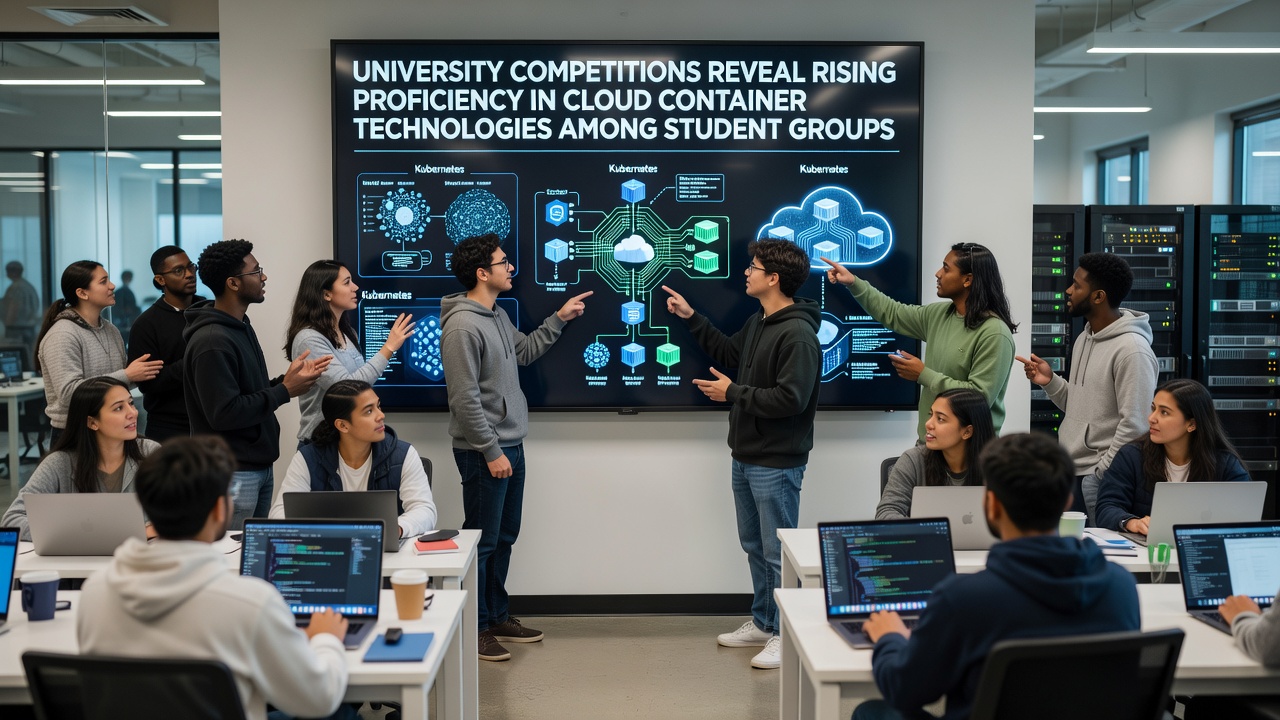
What's interesting is how case examples from the competitions illustrated practical applications such as a group from one Canadian university that automated failover mechanisms across availability zones and another from an Australian institution that implemented blue-green deployment strategies to minimize downtime during updates. Data compiled after the September 2026 rounds showed increased adoption of container security scanning tools integrated into build pipelines and researchers observed that student solutions often incorporated vulnerability patching workflows without external prompting.
Broader Implications for Curriculum Development
Educational institutions have begun incorporating competition-derived projects into capstone requirements because the exercises align with industry demands for container expertise and faculty members report that hands-on scenarios help bridge gaps between theoretical coursework and operational realities. Surveys conducted by participating universities found that 64 percent of student participants secured internships or entry-level positions within six months of the events with many citing their competition experience during interviews.
Industry organizations tracking workforce trends have linked rising container proficiency among recent graduates to reduced onboarding periods at technology firms and figures from labor market analyses indicate sustained demand for skills in orchestration platforms and cloud-native development practices. Academic reports further document how competitions encourage cross-disciplinary collaboration since teams often combine expertise from software engineering with data analysis and network administration backgrounds.
Conclusion
University competitions in September 2026 provided clear indicators of advancing student capabilities in cloud container technologies through measurable performance improvements and expanded participation across regions and the patterns observed suggest continued integration of these skills into standard academic programs. Institutions that supported team involvement recorded higher engagement levels in related coursework while external partners gained visibility into emerging talent pools equipped for contemporary infrastructure challenges.